Showing posts with label Mindfulness. Show all posts

Wednesday, January 3, 2024

Achieving Balance in Life: A Holistic Approach to Well-Being

Introduction:

In the fast-paced and demanding world we live in, finding balance in life has become an essential pursuit for overall well-being. Striking a harmonious equilibrium between work, relationships, personal development, and leisure is crucial for maintaining physical, mental, and emotional health. In this article, we will explore the importance of a balanced life and offer practical tips on how to achieve and maintain it.


1. The Importance of Balance:

Balancing various aspects of life is essential for holistic well-being. When one area dominates while others are neglected, it can lead to stress, burnout, and a diminished quality of life. Achieving balance enables individuals to thrive in all areas, fostering a sense of fulfillment, purpose, and resilience.


2. Prioritize and Set Boundaries:

To achieve balance, it's crucial to prioritize activities and set boundaries. Identify your core values and establish clear priorities. This will help you allocate time and energy to the most important aspects of your life. Setting boundaries also means learning to say no when necessary, preventing overcommitment and exhaustion.


3. Time Management:

Effective time management is a key component of a balanced life. Create a realistic schedule that includes time for work, personal development, relationships, and leisure. Utilize tools such as calendars and planners to stay organized and ensure that your time is allocated efficiently.


4. Nurture Relationships:

Building and maintaining meaningful relationships contribute significantly to a balanced life. Allocate time for family, friends, and social activities. Strong connections provide emotional support, enhance mental well-being, and create a sense of belonging.


5. Invest in Self-Care:

Self-care is not a luxury; it is a necessity for maintaining balance. Prioritize activities that promote physical, mental, and emotional well-being. This may include regular exercise, mindfulness practices, adequate sleep, and engaging in hobbies that bring joy and relaxation.


6. Embrace Flexibility:

Life is unpredictable, and unexpected challenges may arise. Embrace flexibility and adaptability in your approach to balance. Recognize that priorities may shift, and it's okay to adjust your plans accordingly. The ability to adapt promotes resilience and reduces stress.


7. Continuous Learning and Growth:

Striving for personal development and continuous learning is a vital aspect of a balanced life. Set goals that challenge and inspire you, whether they are related to your career, education, or personal interests. The pursuit of growth adds a sense of purpose and fulfillment.


8. Mindfulness and Presence:

Practicing mindfulness and being present in the moment can significantly contribute to a balanced life. Cultivate awareness of your thoughts and emotions, and engage fully in each activity. Mindfulness enhances focus, reduces stress, and fosters a deeper appreciation for life.


Conclusion:

In the pursuit of a balanced life, it's essential to recognize that it is an ongoing process rather than a destination. By prioritizing, managing time effectively, nurturing relationships, practicing self-care, embracing flexibility, pursuing growth, and cultivating mindfulness, individuals can create a sustainable and fulfilling balance in their lives. Remember that achieving balance is a personal journey, and finding what works best for you is key to a harmonious and well-rounded life.

Friday, July 14, 2023

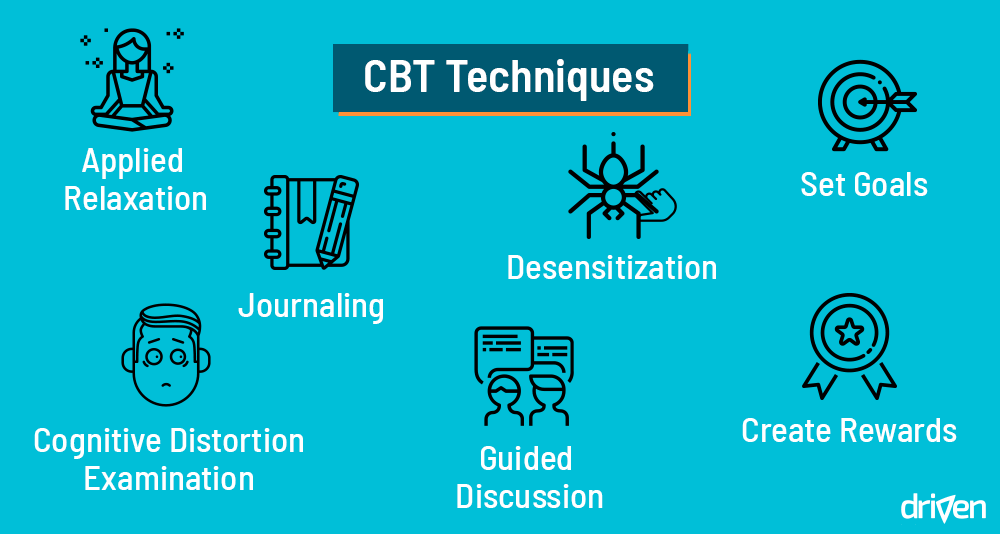
Breaking Free from Negative Thought Patterns: Cognitive-Behavioral Therapy Techniques

Our thoughts have a powerful impact on our emotions and behaviors. Negative thought patterns can contribute to feelings of anxiety, depression, and low self-esteem. However, with the help of cognitive-behavioral therapy (CBT) techniques, we can challenge and replace these negative thoughts with more positive and realistic ones. Let's explore some effective strategies for breaking free from negative thought patterns.


1. Identify and Challenge Negative Thoughts:

The first step in overcoming negative thought patterns is to become aware of them. Pay attention to the thoughts that arise when you feel down or anxious. Are there common themes or recurring patterns? Once you identify negative thoughts, challenge their accuracy and validity. Ask yourself if there is evidence to support these thoughts or if you're jumping to conclusions. Often, negative thoughts are distorted and exaggerated.


2. Practice Cognitive Restructuring:

Cognitive restructuring is a key component of CBT. It involves replacing negative thoughts with more balanced and rational ones. Start by questioning the evidence for your negative thoughts. Is there an alternative explanation or a more realistic perspective? For example, if you think, "I always mess things up," challenge that thought by reminding yourself of times when you succeeded or did well. Gradually, replace negative thoughts with positive and affirming statements.


3. Use Thought Stopping:

Thought stopping is a technique that interrupts negative thought patterns. Whenever you catch yourself engaging in negative self-talk, imagine a stop sign or say the word "stop" aloud. This helps disrupt the flow of negative thoughts and gives you an opportunity to replace them with more positive or realistic ones. It may take practice, but over time, you can train your mind to automatically stop negative thoughts in their tracks.


4. Practice Mindfulness:

Mindfulness is the practice of being fully present in the moment without judgment. It can help you observe your thoughts and emotions without getting caught up in them. By cultivating mindfulness, you can create distance from negative thoughts and reduce their impact on your well-being. Engage in mindfulness exercises such as meditation, deep breathing, or body scans to develop a greater sense of awareness and control over your thoughts.


5. Engage in Behavioral Activation:

Negative thought patterns can lead to avoidance behaviors and a decrease in enjoyable activities. Behavioral activation involves engaging in positive and rewarding activities that align with your values and goals. By participating in activities you enjoy, you can shift your focus away from negative thoughts and improve your overall mood. Make a list of activities that bring you joy and purpose, and incorporate them into your daily routine.


6. Seek Professional Support:

While self-help techniques can be effective, seeking professional support is highly beneficial, especially if negative thought patterns persist or significantly impact your daily life. A qualified therapist trained in CBT can guide you through the process, provide personalized strategies, and help you develop a healthier mindset.


Remember, breaking free from negative thought patterns takes time and practice. Be patient with yourself and celebrate small victories along the way. With the right techniques and support, you can challenge negative thoughts, cultivate a more positive mindset, and experience a significant improvement in your emotional well-being.

Budhanilkantha

Budhanilkantha is a locality in the Kathmandu Valley of Nepal, known for the sacred site of the Budhanilkantha Temple. The primary attractio...