Showing posts with label Respiratory Infections. Show all posts

Friday, July 14, 2023

Monsoon Health Hazards: How to Stay Safe and Prevent Common Illnesses

The arrival of the monsoon season brings relief from scorching heat and rejuvenates the surroundings with lush greenery. However, along with the pleasant showers, this time of the year also brings certain health hazards that require our attention. The increased humidity and waterlogged conditions create a breeding ground for various illnesses. To stay safe and healthy during the monsoon, it is essential to take necessary precautions and follow simple preventive measures.


1. Prevent Waterborne Diseases:

During the monsoon, water stagnation is common, and it becomes a breeding ground for mosquitoes that transmit diseases like dengue, malaria, and chikungunya. To prevent these illnesses, it is crucial to avoid stagnant water in and around your surroundings. Ensure proper drainage and dispose of any objects that can collect water, such as old tires or containers. Use mosquito nets, repellents, and wear long-sleeved clothing to protect yourself from mosquito bites.


2. Maintain Personal Hygiene:

Maintaining personal hygiene becomes even more critical during the monsoon season. Due to increased moisture, fungal infections like ringworm and athlete's foot are common. Keep yourself clean and dry, especially between skin folds. Use antifungal powders or creams as advised by a healthcare professional. Regularly wash your hands with soap and clean water to prevent the spread of germs and infections.


3. Consume Safe Food and Water:

Food and water contamination is a significant concern during the monsoon. To avoid waterborne diseases like diarrhea and gastroenteritis, it is crucial to consume clean and safe food and water. Drink boiled or filtered water and avoid consuming street food or uncooked vegetables and fruits that may have been washed with contaminated water. Opt for freshly cooked meals and ensure proper hygiene in the kitchen and dining areas.


4. Boost Immunity:

Strengthening your immune system is vital to ward off common monsoon illnesses. Eat a balanced diet rich in fruits, vegetables, and whole grains to provide essential nutrients and vitamins to your body. Stay hydrated by drinking an adequate amount of water and herbal teas. Regular exercise, sufficient sleep, and managing stress levels also contribute to a healthy immune system.


5. Protect against Respiratory Infections:

Monsoon brings an increase in respiratory infections such as cold, cough, and flu. These illnesses often spread through close contact or contaminated surfaces. Practice good respiratory hygiene by covering your mouth and nose with a tissue or your elbow while coughing or sneezing. Avoid close contact with individuals who are sick, and if you experience symptoms, seek medical advice promptly.


6. Stay Dry and Wear Appropriate Clothing:

Getting drenched in the rain may seem tempting, but it can lead to a weakened immune system and make you susceptible to illnesses. Always carry an umbrella or raincoat when heading out, and try to stay dry as much as possible. Choose clothing made of lightweight and breathable fabrics that dry quickly. Wet clothes can irritate the skin and increase the chances of infections.


By following these simple yet essential precautions, you can safeguard your health and enjoy the beauty of the monsoon season. Stay vigilant, maintain hygiene, and be mindful of your surroundings. Remember, prevention is always better than cure, and a little care can go a long way in keeping you healthy and safe during the monsoon.


Thursday, July 13, 2023

Monsoon Health Hazards: How to Stay Safe and Prevent Common Illnesses

Introduction:

The monsoon season brings relief from the scorching heat and rejuvenates the environment. However, along with the rain, this season also brings its fair share of health hazards. The increase in humidity and moisture creates favorable conditions for the growth of bacteria, viruses, and mosquitoes, leading to common illnesses. To stay safe and enjoy the monsoons to the fullest, it's important to be aware of these health hazards and take preventive measures. In this blog post, we will discuss how to stay safe and prevent common illnesses during the monsoon season.


1. Waterborne Diseases:

Contaminated water is a significant concern during the monsoons. To prevent waterborne diseases like typhoid, cholera, and gastroenteritis, ensure that you consume safe drinking water. Drink boiled or purified water and avoid consuming raw or uncooked food that may have been washed with contaminated water. Also, be cautious when eating street food or consuming food from unhygienic places.


2. Mosquito-borne Diseases:

Mosquitoes thrive during the monsoon season, increasing the risk of diseases like dengue, malaria, and chikungunya. Protect yourself by using mosquito repellents, wearing long-sleeved clothing, and using mosquito nets while sleeping. Avoid stagnant water around your living spaces as they serve as breeding grounds for mosquitoes. Keep your surroundings clean and eliminate any sources of standing water.


3. Respiratory Infections:

The high humidity during the monsoons can lead to an increase in respiratory infections like the common cold, flu, and viral fever. To minimize the risk, maintain personal hygiene by washing hands frequently and avoiding crowded places where the transmission of infections is more likely. Boost your immune system by consuming a healthy diet, staying hydrated, and getting adequate rest.


4. Skin Infections:

Fungal and bacterial infections are common during the monsoon season due to increased moisture. To prevent skin infections, keep your body clean and dry, especially in areas prone to sweating. Avoid wearing wet clothes for extended periods and opt for loose, breathable clothing. Use antifungal powders or creams as recommended by healthcare professionals if needed.


5. Foodborne Illnesses:

Food contamination is more prevalent during the monsoon season. To avoid foodborne illnesses like food poisoning, be cautious when consuming street food or eating at unhygienic places. Opt for freshly cooked meals, and ensure that fruits and vegetables are thoroughly washed and properly cooked. Avoid eating raw or undercooked seafood and always opt for well-cooked meals.


6. Stay Hydrated and Maintain a Healthy Diet:

Proper hydration is essential during the monsoons to flush out toxins and maintain overall health. Drink an adequate amount of water, even if you do not feel as thirsty as you would during hot weather. Consume a well-balanced diet rich in fruits, vegetables, and immune-boosting foods to support your body's defenses against illnesses.


Conclusion:

While the monsoon season brings joy and relief, it is crucial to prioritize your health and take preventive measures against common illnesses. By following these tips, such as consuming safe drinking water, protecting yourself from mosquitoes, maintaining personal hygiene, and practicing food safety, you can minimize the risks associated with monsoon health hazards. Embrace the beauty of the monsoon while keeping yourself safe and healthy, allowing you to fully enjoy the season's charms.

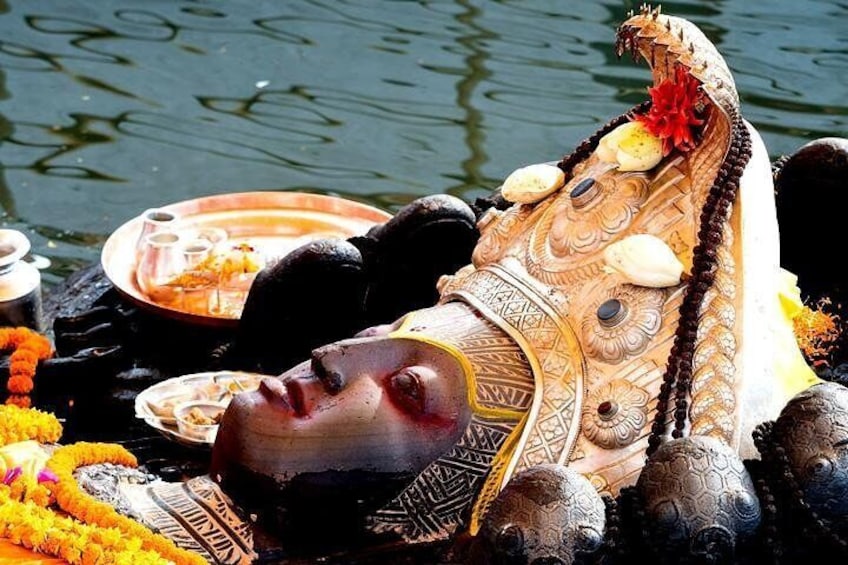
Budhanilkantha

Budhanilkantha is a locality in the Kathmandu Valley of Nepal, known for the sacred site of the Budhanilkantha Temple. The primary attractio...